I went there Friday for lunch with four friends. We had the seven course tasting menu with wine pairing, which included five snacks and three petit fours. Overall the food was at a high level, but with a miss or two along the way. We felt that the scallop dish with porcini mushroom and the dish with prawns and julienne vegetables missed the mark a little bit compared to the other dishes. Everything else was really enjoyable, but I would like to highlight the crispy prawn snack with soffrito sauce, the lemon risotto with prawns and dried fish, the "carbonara" with lobster and caviar and some of the moments on the raw fish plate, especially the anchovies with soy and yuzu. Really amazing food accompanied with great bread and the best grissini we ever tasted. The dessert was playful and an amazing end to a wonderful lunch. Moving along to the wine selection. What a spectacular journey and pairing to the dishes. The sommelier was outstanding. Very friendly and knowledgeable. One of the joys of fine dining is tasting wines you otherwise would not encounter and he was great at explaining what we had in our glasses and why it fitted the food. When you pay 200€ for a lunch it's nice that you don't feel the sommelier measuring every ml in the glass, but allows to get a bit extra of the wines we really enjoyed. Great guy. They weren't very busy, but it was perfect for us as we could indulge in the food and wine helped along by great service of the entire staff. We would highly recommend this restaurant.
Overview
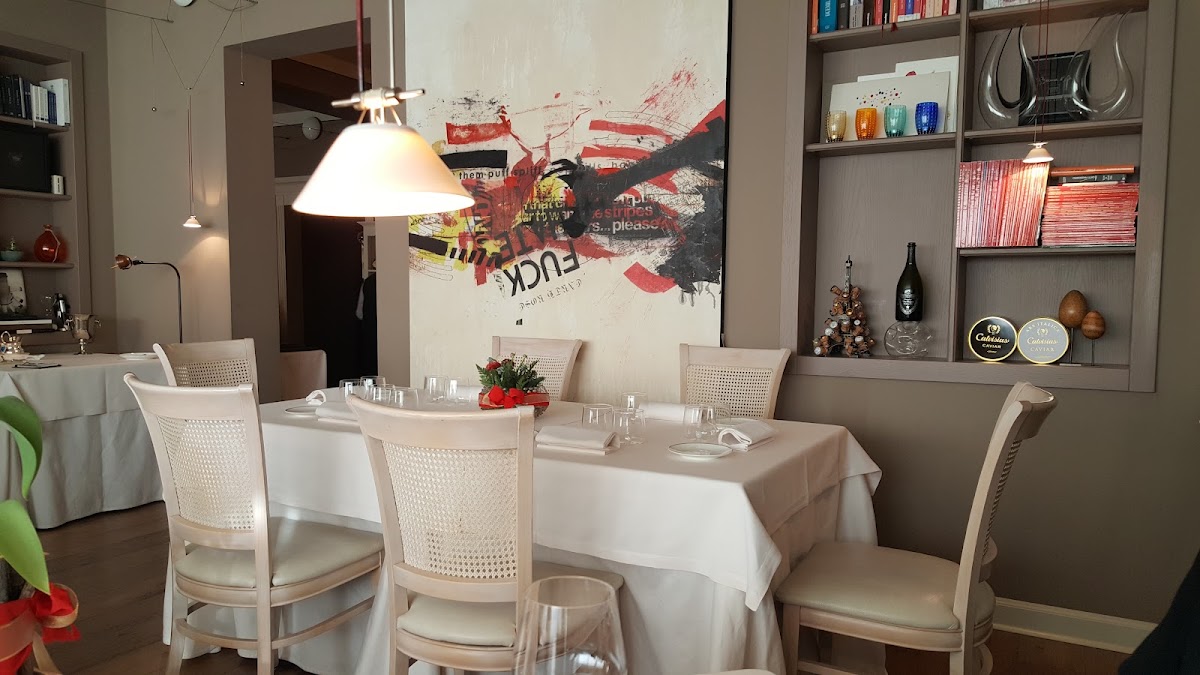
Ristorante Il Saraceno sits quietly at Piazza Don Luigi Verdelli, 2, 24050 Cavernago BG, Italy, and the first thing you notice when you walk in is how unforced everything feels. I stopped by on a rainy weekday afternoon after a local food producer mentioned it as a reliable place for traditional Bergamasco cooking. The dining room felt lived-in rather than styled, with regulars greeting the staff by name and the smell of slow-simmered sauces drifting out from the kitchen.
The menu leans heavily into Lombard classics, and that choice feels intentional. Instead of crowding the menu with trendy options, the kitchen focuses on recipes that have been refined over decades. Dishes like casoncelli alla bergamasca arrive with a rich butter and sage dressing, balanced by pancetta that’s crisp without overpowering the pasta. I watched the staff plate each portion carefully, and it was clear that consistency matters here more than showmanship.
One thing that stands out is how the kitchen handles ingredients. According to data from Italy’s National Institute of Statistics, over 70% of diners in northern Italy prefer restaurants that prioritize regional sourcing. Il Saraceno reflects that preference by working with nearby farms for dairy and cured meats. A server explained how their cheeses come from small producers within the province, which explains the depth of flavor in even simple antipasti. That attention to sourcing mirrors principles promoted by organizations like Slow Food, which emphasize local supply chains and seasonal cooking.
During my visit, I spoke briefly with another diner who drives in weekly from Bergamo. He described the place as home-style cooking done properly, and that phrase stuck with me. It’s an accurate way to describe the experience. The polenta, for example, is stirred slowly and served soft, not rushed or reheated. That method takes time and attention, and you can taste the difference. Professional chefs often note that slow cooking improves starch structure and flavor absorption, a process well documented in culinary research from institutes like ALMA, Italy’s international school of Italian cuisine.
Reviews from locals echo this sense of reliability. Many mention that the restaurant doesn’t chase trends, and that stability is part of its appeal. In an era when menus change monthly, there’s something reassuring about a place where the braised meats taste the same year after year. Of course, this also means the menu may feel traditional rather than adventurous, which could be a limitation for diners looking for experimental cuisine. Still, for anyone interested in authentic regional food, that consistency is a strength.
Service here follows the same philosophy as the food. It’s relaxed but attentive, with servers who know the menu inside out and are happy to explain preparation methods or portion sizes. When I asked about wine pairings, the recommendation came with a quick explanation of why a local Valcalepio Rosso works well with richer meat dishes, tying acidity and tannins to fat content in a way that was easy to understand without sounding scripted.
The location in Cavernago makes it especially appealing for travelers exploring smaller towns outside major tourist routes. Parking is straightforward, and the restaurant feels integrated into daily local life rather than positioned as a destination spot. That grounded quality adds to its trustworthiness; it survives because people return, not because of hype.
Eating here feels like stepping into a working example of how regional Italian dining has endured. The processes are simple but deliberate, the menu reflects local taste rather than external pressure, and the overall experience aligns with what food researchers often highlight as the foundation of lasting restaurants: quality ingredients, repeatable methods, and genuine connection to place.
Good to know
From the business
✓ Identifies as women-ownedService options
✓ Dine-inHighlights
✓ Great coffee ✓ Great dessert ✓ Great wine listPopular for
✓ Lunch ✓ Dinner ✓ Solo diningAccessibility
✓ Wheelchair-accessible car park ✓ Wheelchair-accessible entrance ✓ Wheelchair-accessible seating ✓ Wheelchair-accessible toiletOfferings
✓ Alcohol ✓ Beer ✓ Cocktails ✓ Coffee ✓ Healthy options ✓ Organic dishes ✓ Private dining room ✓ Spirits ✓ Vegan options ✓ Vegetarian options ✓ WineDining options
✓ Lunch ✓ Dinner ✓ Catering ✓ Dessert ✓ Table serviceAmenities
✓ Bar on site ✓ Toilet ✓ Wi-Fi ✓ Wi-FiAtmosphere
✓ Cosy ✓ Quiet ✓ Romantic ✓ Trendy ✓ UpmarketCrowd
✓ Family friendly ✓ LGBTQ+ friendly ✓ TouristsPlanning
✓ Lunch reservations recommended ✓ Reservations required ✓ Dinner reservations recommended ✓ Accepts reservationsPayments
✓ Credit cards ✓ Debit cards ✓ NFC mobile payments ✓ Credit cardsChildren
✓ Good for kids ✓ High chairsParking
✓ Free of charge street parking ✓ Free parking lot ✓ ParkingPhotos
Location
Reviews
Was the first time for us in such ad high-level restaurant. They have one Michelin Star and I understand why! Starting with the location, elegant rooms not very big with attention to details. Everything was very very clean. Super kind and gentle staff, they are all very professional and prepared to answer you questions and requests. The food... UNBELIEVABLE. I've never seen something prepared with this attention, everything was amazing, balanced in the taste, neither too much quantity nor too little. Prices are in line with the quality offered. Absolutely recommended.
My husband and I had a delightful experience at Ristorante Il Saraceno. The service was exceptional, with staff who were not only knowledgeable but also attentive, even helping me translate the menu as I’m still learning Italian. The food was a perfect blend of flavors, each dish carefully crafted to ensure none overshadowed the others. The chefs truly understand balance, creating a memorable culinary journey. The dessert was not only delicious but also beautifully presented, a true feast for both the eyes and the palate. Overall, it was a beautiful experience. I look forward to returning next time I’m in town to try more dishes.
I enjoyed the experience but the testing menu was not consistent in quality and sometimes too innovative without leaving a new taste experience
'Ristorante Il Saraceno' is a great Michelin starred restaurant in Cavernago. The restaurant is really specialised on fish. Strongly advised the fish starter. The chef is also serving appetizers here and there. The atmosphere is really charming and relaxing, and the chef is coming and greeting each guest. Reservations can be done also at very short notice. Of course the bill is not cheap, but the experience is really worthwhile.
Magnifico ! Very cozy, super Nice staff and the food was simple amazing...